
Selection guide
Choosing the Right Carbide Inserts: A Guide to Cost-Effective CNC Cutting
How to Choose the Right Carbide Inserts for CNC Machining
How cost efficiency is evaluated in modern CNC machining
In modern CNC machining, the selection of a carbide insert is not only a technical decision but also a cost-driven one. Manufacturers increasingly focus on balancing durability, stability, and affordability to maintain consistent output across machining operations. Understanding how carbide inserts are used, how they interact with the machine, and how they influence cutting performance is essential for achieving predictable results in metalworking environments.
What Are Carbide Inserts?
A carbide insert is a replaceable cutting element used in a wide range of cutting operations, including turning, milling, drilling, grooving, threading and general-purpose cutting. Most carbide inserts are made of tungsten carbide, so they are often called tungsten carbide inserts. This material is highly favored for its high hardness, good wear resistance, and ability to maintain a sharp cutting edge under harsh conditions.
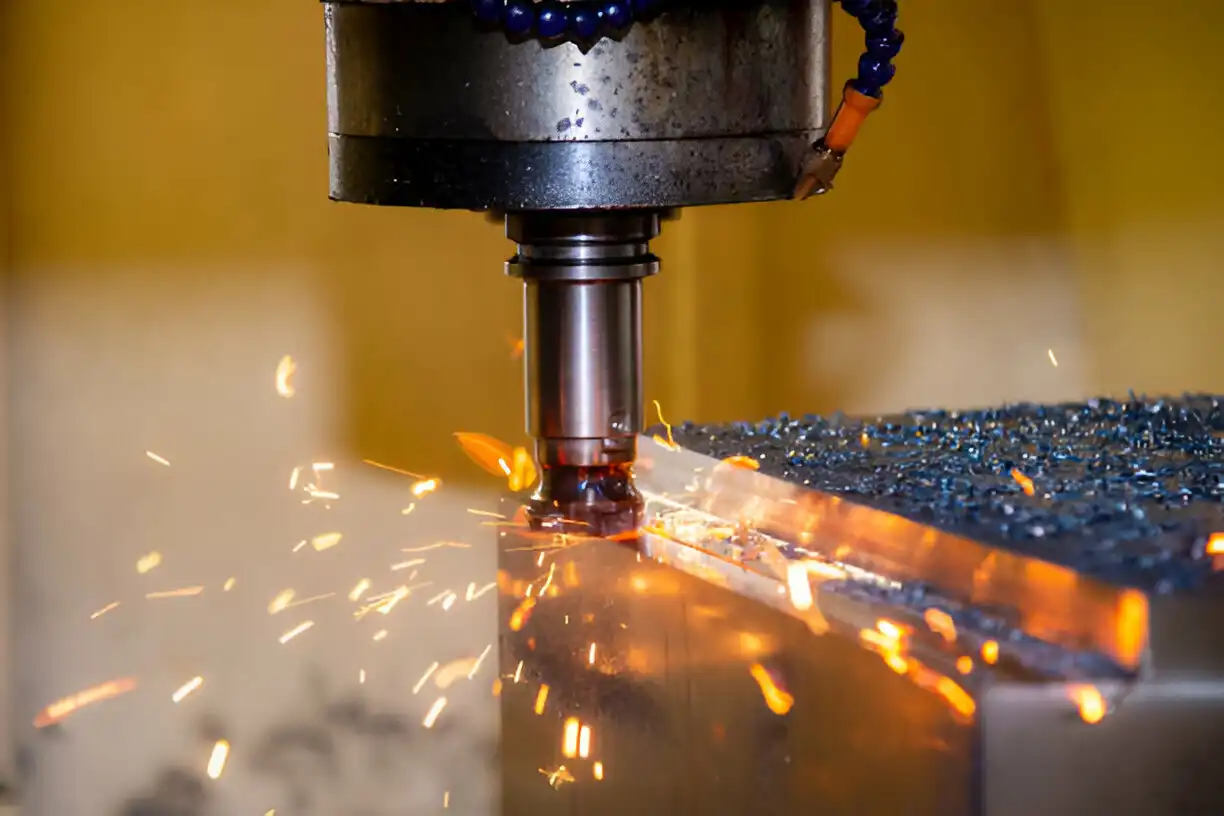
Unlike solid carbide tools or brazed carbide tool bits, indexable inserts are designed to be mounted on cutters, lathe tools, or milling cutters. When one cutting edge wears out, the insert can be indexed or replaced, exposing a fresh cutting edge without changing the entire cutting tool. This replaceable cutting design is a key reason carbide inserts are widely adopted in precision cutting and high-volume production.
Carbide inserts used in metalworking are available in various shapes, insert size options, and edge geometry configurations. They are commonly applied in machining in turning on a lathe, milling on a mill, and other cutting applications where stable performance and repeatability are required.
Key Factors That Determine the Cost Efficiency of Carbide Inserts
Cost efficiency in carbide cutting is not determined by insert price alone. It is influenced by how long the insert lasts, how consistently it performs, and how well it matches the machine and material being processed.
Tool life and performance stability
A longer tool life reduces insert changes, machine downtime, and tooling inventory. Inserts offer better cost control when they maintain consistent cutting performance over extended cycles rather than delivering peak performance for a short period. Proper insert selection helps extend tool life and reduce unexpected failures.
Geometry and cutting behavior
The design of carbide inserts directly affects cutting forces, chip formation, and surface finish. Optimized cutting edge shapes help reduce load on the cutter and machine, enhancing stability during continuous or heavy-duty operations. Careful edge design is especially important for maintaining smooth cutting and predictable results.
Coating and wear management
A coating is primarily used to manage wear and heat rather than to increase cutting speed beyond practical limits. Different coatings contribute to wear resistance and thermal stability depending on the machining operations involved. Selecting carbide grades and coatings should align with the material group and cutting conditions rather than aiming for maximum specification.
How Leading Global Brands Approach Cost-Efficient Cutting Inserts
Globally recognized cutting tool manufacturers typically evaluate cost efficiency from a system-level perspective rather than focusing on individual inserts.
One common strategy is offering standardized carbide grade portfolios that cover a wide range of machining operations. Instead of highly specialized inserts grades for narrow applications, leading brands emphasize general-purpose cutting solutions that handle multiple materials with acceptable consistency.
Another approach is broad geometry coverage. Inserts are designed to support both high-speed cutting and stable machining across different machines, from compact CNC units to larger industrial systems. This reduces tooling complexity and simplifies insert selection for production teams.
Many international brands also prioritize predictable performance over aggressive cutting parameters. Stable cutting forces, controlled wear patterns, and reliable surface finish are often valued more than achieving the highest possible cutting speed. This philosophy supports cost efficiency by reducing scrap, tool breakage, and process variation in metalworking environments.
How to Select Cost-Efficient Carbide Inserts for Your Application
To choose the right carbide insert, it is essential to evaluate the application rather than relying solely on brand or specification.
Different materials require specific carbide solutions. For example, machining cast iron places different demands on wear resistance than machining stainless steel or aluminum alloys. Inserts for turning may require different edge strength compared to milling inserts used in interrupted cutting.
Insert geometry and carbide grade should match the machine rigidity, cutter design, and cutting applications involved. Larger inserts may provide better edge stability in heavy-duty cutting, while smaller inserts are often suitable for precision cutting and lighter passes. Round inserts and round carbide inserts are sometimes selected for applications requiring uniform edge engagement.
Choosing carbide inserts that align with actual production needs helps avoid over-specification. High-speed steel tools or carbide end mills may still be suitable for certain tasks, but indexable carbide inserts remain the preferred option for consistent, repeatable machining operations.
Cost-Efficient Carbide Inserts for Standard Machining Applications — The FH Approach
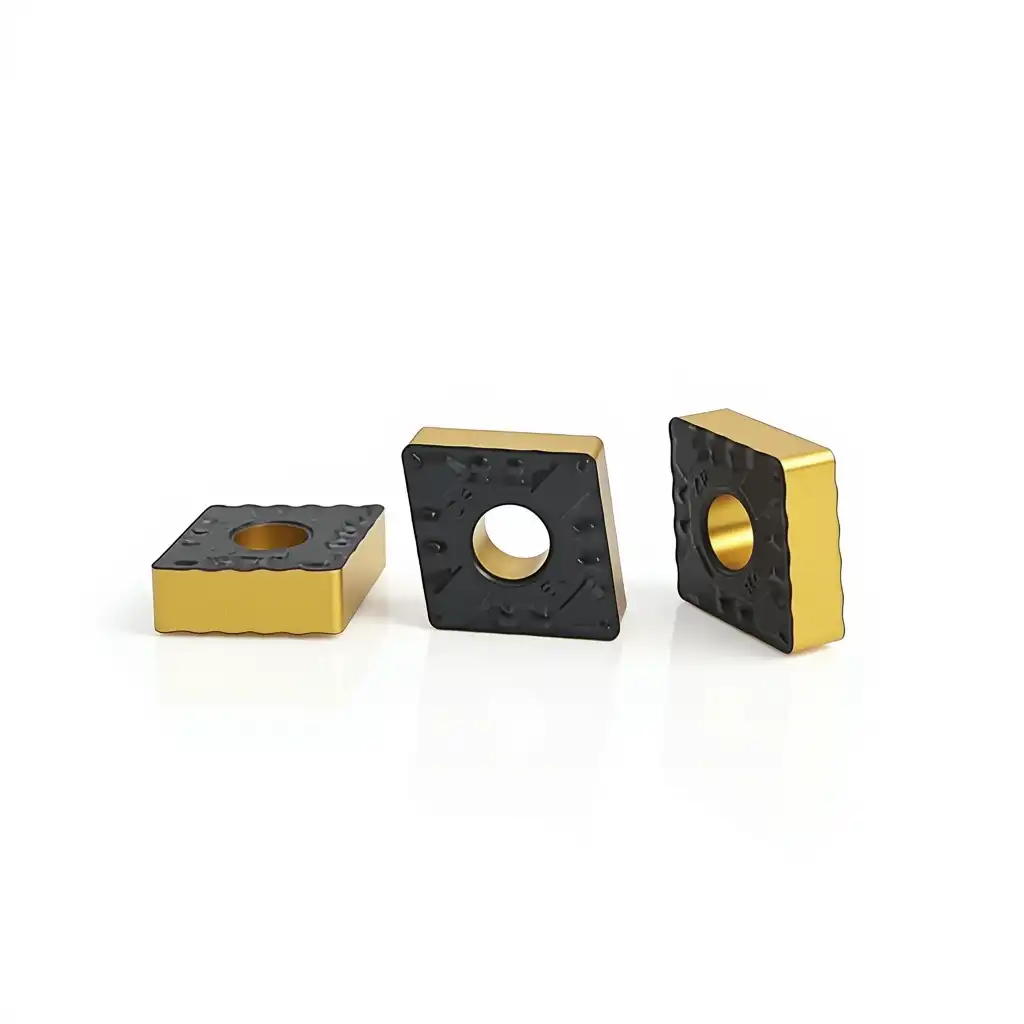
FH focuses on providing carbide inserts for metalworking applications where stability, availability, and cost control are critical. Rather than targeting extreme or highly specialized cutting conditions, FH carbide inserts are designed for standard machining scenarios commonly found in production environments.
FH inserts feature commonly used insert geometry and carbide insert grades that support a wide variety of cutting operations. By concentrating on widely adopted specifications, FH ensures stable supply and consistent quality for customers managing repeatable production schedules.
These inserts are made from tungsten carbide and engineered to deliver predictable cutting performance across common materials. The emphasis is on practical wear resistance, controlled cutting forces, and reliable surface finish rather than pushing theoretical performance limits.
For users seeking to select the right carbide for everyday machining, FH inserts provide a balanced option that supports efficient insert selection and long-term cost efficiency.
Conclusion: Balancing Performance, Stability, and Cost in Carbide Insert Selection
Selecting a carbide insert is a strategic decision that affects productivity, tooling cost, and machining consistency. Cost efficiency is achieved not by chasing maximum cutting speed, but by aligning insert geometry, coating, and carbide grade with real-world machining operations.
Understanding carbide, evaluating machine capability, and choosing inserts that offer stable performance over time are essential steps in building a sustainable cutting strategy. By focusing on predictable results and practical application coverage, manufacturers can optimize tooling investment while maintaining reliable output in modern CNC machining.