
Drilling & Toolholding guide
Indexable Drills vs Solid Carbide Drills: Pros, Cons, and Use Cases
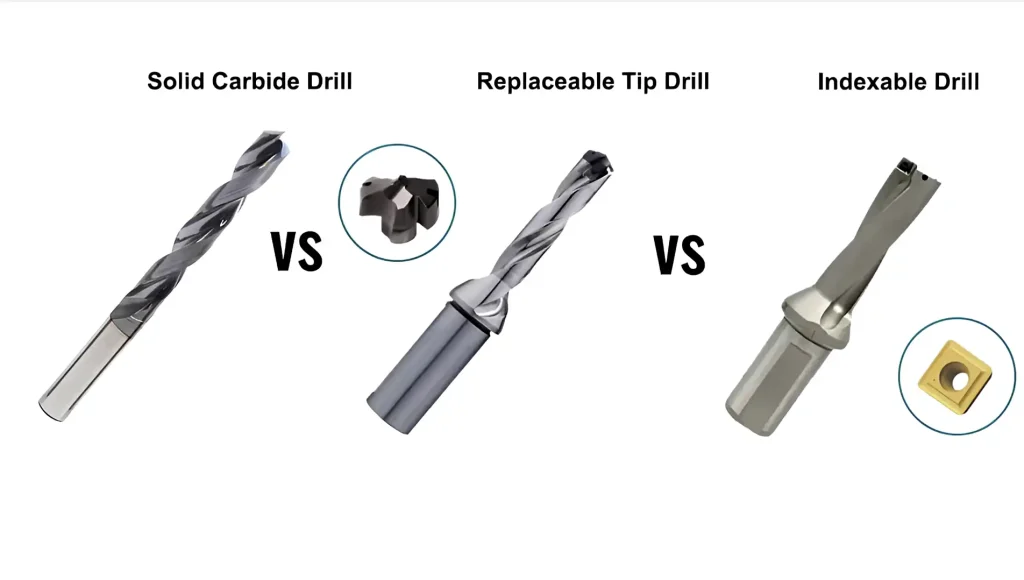
Understanding the Differences Between Indexable Drills and Solid Carbide Drills
Drilling is one of the most common machining operations, and selecting the right drill plays an important role in achieving stable and predictable results. In CNC machining, drills are used across a wide range of applications, from simple hole making to more demanding production tasks. Among the many categories of drills available today, solid carbide drills and indexable drills are two widely used options, each serving different drill needs and machining strategies.
Understanding the differences between solid carbide and indexable drilling solutions helps machining shops and engineers make informed decisions. Rather than focusing on extreme performance claims, this guide explains how each drill type is designed, how it is commonly used on a machine, and how to approach choosing the right drill for a given application.
Drill Types Used in CNC Machine Applications
The Role of Drilling Tools in CNC Operations
In CNC machining, drilling tools are used to create holes with controlled size and alignment. While drills may appear simple, they are designed to handle cutting forces, material resistance, and machine stability. Different types of drills are developed to address different production needs, and the drilling solution chosen often influences hole quality and overall process stability.
Modern machining setups include a wide range of drilling tools, from one-piece designs to modular and insert-based systems. Each drill is engineered to work within specific limits related to hole size, material, and machine capability. As a result, drills are designed to balance rigidity, efficiency, and maintenance considerations.
What Is a Solid Carbide Drill?
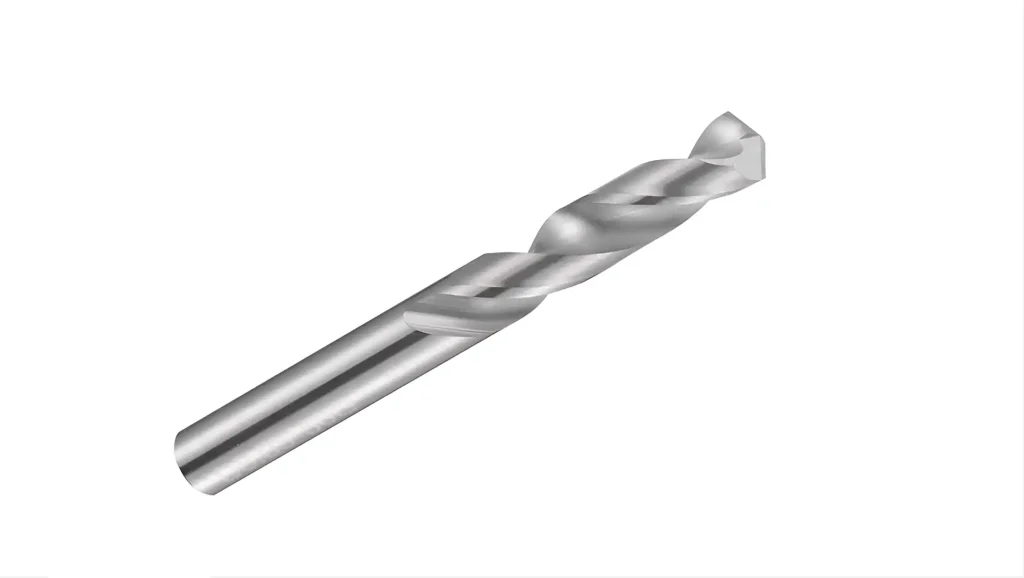
One-Piece Solid Carbide Construction and Structural Stability
A solid carbide drill is a one-piece tool made entirely from carbide material. This monolithic construction gives the tool a high level of structural stability, as the entire cutting portion is formed as one unit. This one-piece construction means the entire drill participates in the cutting process.
Because the cutting edges are integrated directly into the carbide body, solid carbide drills are often associated with predictable performance and controlled hole geometry. Solid carbide drills provide consistent cutting behavior and are often selected when accuracy and repeatability are priorities.In many applications, this construction supports stable machining where rigidity is an important consideration.
Solid Carbide Drill Bits in Precision Machining
Solid carbide drill bits are commonly used in precision machining tasks where repeatability is required. These tools are available in various designs, including versions with internal coolant channels to assist chip evacuation. Solid carbide drills come with predefined cutting edge geometry created during manufacturing.
Unlike drilling inserts, a solid drill does not rely on replaceable components. When wear occurs, the entire drill must be reground or replaced. Solid carbide drills are known for stable hole quality, especially in applications involving steel and cast iron. Solid carbide drills provide unmatched rigidity compared to many modular alternatives, and carbide drills provide unmatched precision in suitable conditions.
What Is an Indexable Drill?
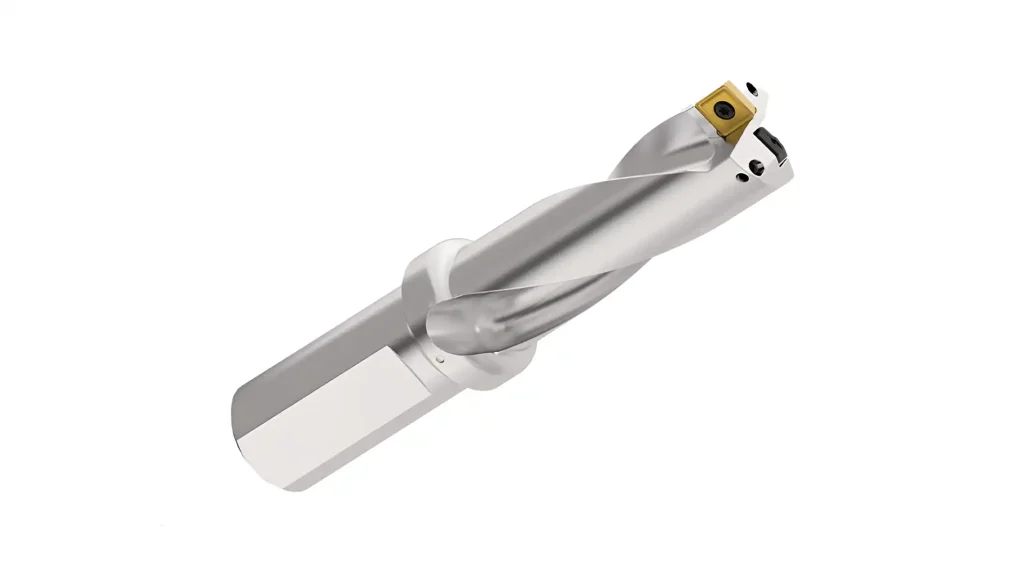
Indexable Drill Design with Replaceable Insert Systems
An indexable drill is designed around a reusable tool body fitted with interchangeable cutting inserts. Indexable drills use a steel body combined with carbide insert cutting edges, allowing worn edges to be replaced without changing the full tool assembly.
This insert-based design supports practical maintenance workflows and cost management. Indexable drills often appeal to production environments where tooling efficiency and replacement convenience are important considerations
How Indexable Insert Drills Are Used on CNC Machines
Indexable insert drills are commonly applied in CNC machining for operations that involve larger hole sizes or frequent tool changes. Insert drill systems allow machining teams to replace cutting edges quickly while keeping the main tool body in service.
Indexable drills can offer practical advantages in larger hole sizes, especially when a machine has sufficient power and stability. Compared to indexable drills, solid carbide drills may offer different benefits, but indexable drills excel in applications where cost management and insert replacement are important.
Structural Differences Between Solid and Indexable Drills
Solid Drill vs Indexable Drill: One-Piece Construction Versus Insert-Based Drilling Systems
The most visible difference between solid and indexable drilling solutions lies in their structure. One-piece carbide drills rely on an integrated cutting body, while indexable designs depend on insert-based cutting edges mounted on a reusable holder.
Solid vs indexable drill choices often depend on how frequently tools are replaced and how drilling operations are planned. Unlike insert drills, solid drills require replacement or regrinding of the entire drill when wear occurs.
Indexable Insert Seating Concepts in Insert Drill Systems
Indexable insert seating is a key aspect of insert drill performance. Replaceable carbide inserts mounted in an indexable drill must be positioned accurately to maintain consistent hole quality. Indexable insert systems are designed to simplify maintenance while keeping cutting edges aligned.
Indexable insert drill designs vary, but most follow the same principle: use replaceable inserts to extend the life of the drill body. This approach makes indexable drills suitable for repeated use across multiple production cycles.
Tool Life and Maintenance Considerations for Drilling Tools
How Tool Life Is Commonly Considered for Solid and Indexable Drills
Tool life is one of the factors considered when selecting a drilling solution. For a solid carbide drill, tool life is typically managed through regrinding or replacement. For an indexable drill, tool life is managed by indexing or replacing inserts.
Rather than focusing on exact numbers, many shops consider tool life in relation to maintenance effort and cost stability. Drills are known to behave differently depending on material, machine condition, and drilling strategy.
Maintenance Approaches for Different Drilling Solutions
Maintenance strategies differ significantly between drill types. Solid carbide drills are often reground to extend their usable life, while indexable drills rely on replaceable insert systems. Use replaceable inserts allows the drill body to remain in service longer.
Indexable drills require insert inventory management, while solid drills require regrinding capability or replacement planning. Each approach has practical implications depending on production volume and workflow.
The Middle Ground — Replaceable Tip Drill Solutions: What Is a Replaceable Tip Drill in Modern CNC Drilling
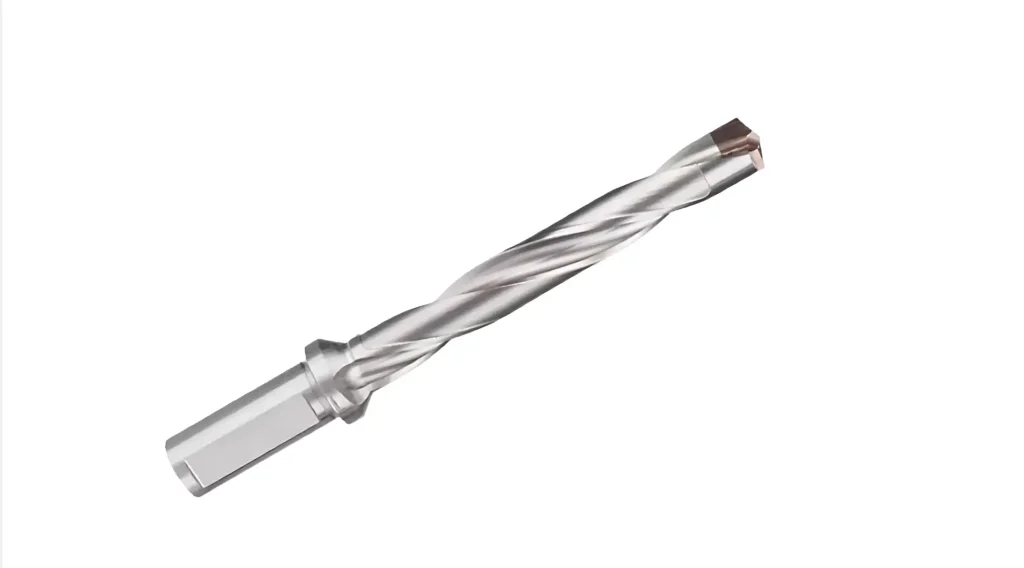
Replaceable tip drills combine elements of solid and insert-based designs. These tools use a reusable holder paired with a removable carbide tip, allowing the cutting portion to be replaced while keeping the main body in service.
They are sometimes grouped with modular drills and spade drill systems. These drills provide a balance between rigidity and maintenance convenience.
When Replaceable Tip Drills Are Considered Between Solid and Indexable Options
In some applications, shops use replaceable tip drills when neither solid nor indexable options are ideal. Use them can be practical when flexibility is needed without fully committing to insert-based systems. Replaceable tip drills offer flexibility in managing wear and tool changes.
Solid or Indexable — Practical Drill Selection for CNC Machines
Matching Drill Type to Hole Size and CNC Machine Setup
Choosing between solid or indexable drills often depends on hole size and machine capability. When shops need to drill large-diameter holes in steel, indexable solutions are commonly considered. Smaller hole sizes may favor solid carbide options depending on rigidity requirements.
Selecting the right drill type requires understanding machine limits, setup stability, and production goals. Hole size plays a key role in determining which drill type is appropriate.
Balancing Cost, Tool Change Convenience, and Production Needs
The key is choosing a drill that matches your machining priorities. Drills provide different advantages depending on how often tools are changed and how production is organized. Indexable drills offer flexibility and cost control, while solid carbide drills provide stable cutting behavior.
Choosing the appropriate drill is part of using the right tool for the overall process. Drill needs vary across applications, and drills can offer different benefits depending on how they are used.
Beyond the Drill — Viewing Drilling Tools as Part of a Complete Machining System
Beyond the Drill Bit: Drilling Tools Within the Overall Machine Process
Beyond the drill itself, drilling performance depends on machine condition, fixturing, and process planning. Drill type is only part of the overall system. Drills use specific designs to interact with machines, materials, and cutting strategies.
Understanding drills vs other machining tools helps place drilling within the broader context of CNC operations. Drills shine when they are selected and applied with a clear understanding of their role.
Conclusion — Understanding Solid Carbide and Indexable Insert Drills
Making Informed Choices Between Solid Carbide Drills and Indexable Insert Drills
Solid carbide and indexable drilling systems each serve important roles in modern machining. Solid carbide drills are made for stability and precision, while indexable drills use replaceable inserts to support cost-conscious production.
Choosing a drill that matches your machining requirements involves understanding differences between solid and indexable designs. Whether the right drill type is solid or indexable depends on hole size, machine capability, and production priorities. By focusing on practical considerations rather than extremes, shops can select the right drilling solution for their application and ensure reliable results over time.