
Turning guide
TNMG Insert: ISO Carbide Turning Tool with Chipbreaker
TNMG Insert: Meaning, Size Chart, Application & Selection Guide
A TNMG insert is a triangular, negative rake turning insert commonly used in CNC machining. It is widely applied in roughing and general turning operations due to its strong cutting edges and double-sided design. In this guide, you will learn the meaning of TNMG inserts, how to read their size codes, and how to choose the right one for your application.
TNMG Insert Meaning (ISO Nomenclature)TNMG Insert Size Chart & DimensionsHow to Read TNMG Size CodeHow to Choose the Right SizeTNMG Insert ApplicationsTNMG Insert Chipbreaker TypesHow to Choose TNMG InsertTNMG vs. CNMG: Choosing the Right ShapeCommon Mistakes When Using TNMG InsertsRecommended TNMG InsertsFAQWhat is a TNMG Insert?
TNMG inserts are standardized ISO turning inserts with a triangular shape.Designed with a 0° clearance angle (negative geometry), it provides high edge strength and stability for heavy-duty applications. A double-sided design, providing up to six cutting edges for extended tool life. Due to its strong geometry and edge strength, the TNMG insert is mainly used for roughing and heavy-duty turning operations, especially in stable machining conditions.
TNMG Insert Meaning (ISO Nomenclature)
The designation of a TNMG insert follows the ISO standard, where each letter has a specific meaning:
- T – Triangle shape (60° angle)
- N – 0° clearance angle (negative insert)
- M – Tolerance class
- G – Insert type (with hole and chipbreaker)
Each letter defines a key feature of the insert, helping users quickly identify its geometry and application.
TNMG Insert Size Chart & Dimensions
Common TNMG Sizes
| Model | Cutting Edge Length (mm) | Thickness (mm) | Nose Radius (mm) |
|---|---|---|---|
| TNMG 160404 | 9.525 | 4.76 | 0.4 |
| TNMG 160408 | 9.525 | 4.76 | 0.8 |
| TNMG 220408 | 12.7 | 4.76 | 0.8 |
| TNMG 220412 | 12.7 | 4.76 | 1.2 |
Metric vs Inch Conversion Chart
| Model | Inch Size Code | Cutting Edge Length (inch) | Nose Radius (inch) |
|---|---|---|---|
| TNMG 160404 | TNMG 331 | 3/8″ | 1/64″ |
| TNMG 160408 | TNMG 332 | 3/8″ | 1/32″ |
| TNMG 220408 | TNMG 432 | 1/2″ | 1/32″ |
| TNMG 220412 | TNMG 433 | 1/2″ | 3/64″ |
How to Read TNMG Size Code
Taking TNMG 160408 as an example:
- 16 – Insert size (inscribed circle)
- 04 – Thickness
- 08 – Nose radius (0.8 mm)
How to Choose the Right Size
- Smaller size (e.g., 160404) → better for light cutting or finishing
- Larger size (e.g., 220412) → better for heavy roughing
- Larger nose radius → stronger edge, but higher cutting force
TNMG Insert Applications
For Steel
TNMG inserts are commonly used for rough turning of carbon steel and alloy steel, where strong and reliable cutting edges are required. For steel machining, grades such as FH8625 and FH8625E offer a good balance of wear resistance and toughness, making them suitable for stable roughing and general turning applications.
For Stainless Steel
When machining stainless steel, sharper chipbreakers are recommended to reduce cutting resistance and minimize built-up edge formation. Grades such as FH9330 and FH9530 are well-suited for stainless steel applications, offering improved wear resistance and edge stability under challenging cutting conditions.
For Cast Iron
TNMG inserts perform well in cast iron machining due to their excellent wear resistance and stability in continuous cutting conditions. Grades such as FH7415 and FH7415E are specifically suitable for cast iron, providing consistent performance and long tool life in high-speed and stable operations.
TNMG Insert Chipbreaker Types
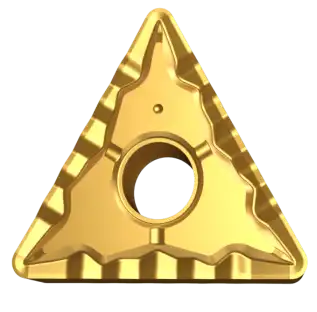
A TNMG insert chipbreaker plays a critical role in controlling chip formation, cutting force, and surface finish. Different chipbreaker geometries are designed for specific machining conditions, from heavy roughing to light finishing.
Common TNMG Chipbreaker Types
Below are some commonly available chipbreaker styles:
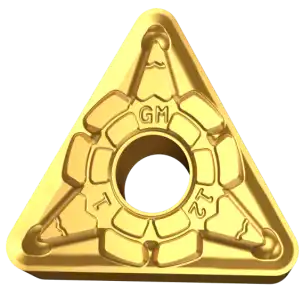
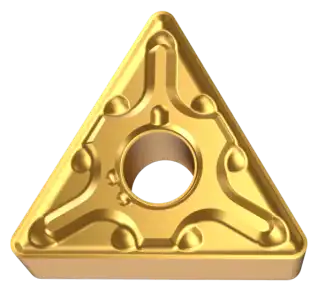
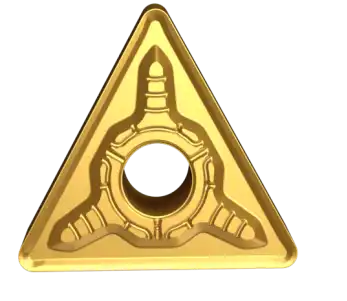
Roughing Chipbreakers
- GM / MA / EM
Designed for heavy cutting conditions with high feed rates and deep cutting depth.
These geometries provide strong edge support and stable chip control.
Medium / General Purpose
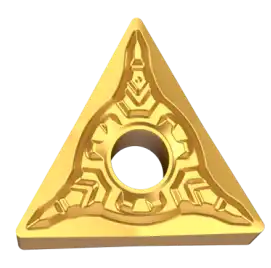
- MF / TM
Suitable for general machining, balancing cutting force and surface quality.
Commonly used for steel and stainless steel.
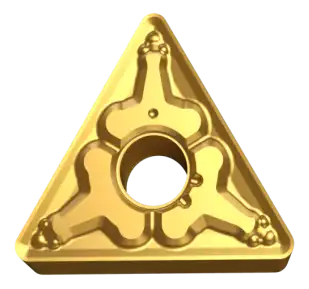
Finishing Chipbreakers
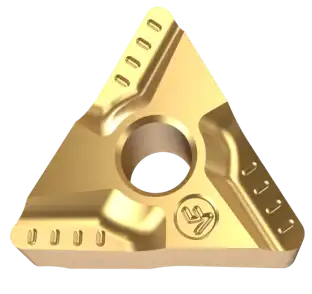
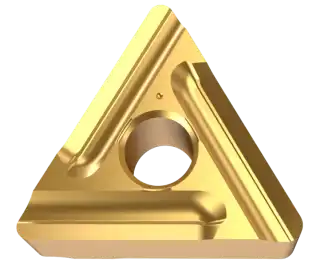
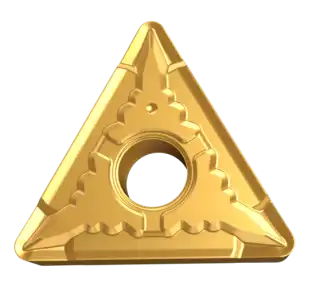
- VF / FS / EA / 43
Designed for light cutting and finishing operations.
These chipbreakers reduce cutting resistance and improve surface finish.
Special Types
- PC
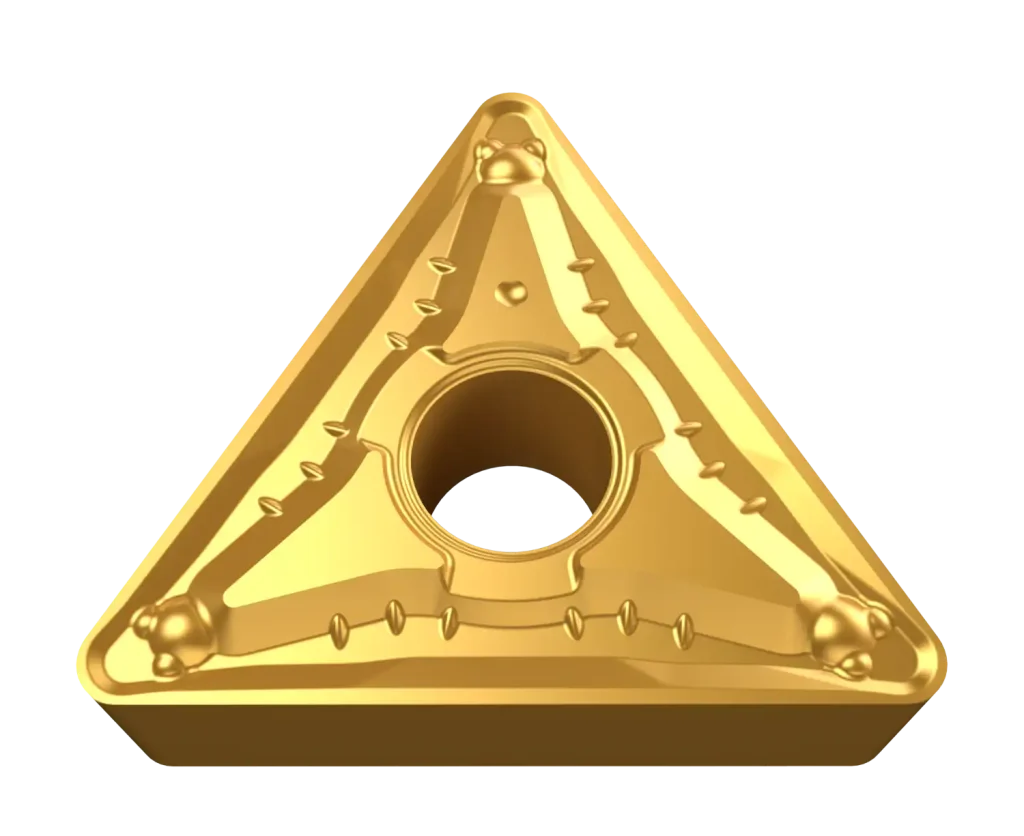
Used for specific applications such as interrupted cutting or special materials. - TNMA (without chipbreaker)
Flat surface insert without chipbreaker, typically used in special machining conditions where chip control is not required.
How to Choose the Right Chipbreaker
When selecting a TNMG insert chipbreaker, consider the following:
- Heavy roughing → GM / MA
- General machining → MF / TM
- Finishing → VF / FS / EA
- Unstable conditions → stronger geometries (GM / MA)
Chipbreaker Selection Tips
- Avoid using finishing chipbreakers in heavy cutting
- Match chipbreaker with feed rate and depth of cut
- Choose stable geometry for interrupted cutting
How to Choose TNMG Insert
Step 1 – Workpiece Material
Choose insert grade and geometry based on the material (steel, stainless, cast iron).
Step 2 – Cutting Type
- Roughing → larger insert, stronger edge
- Finishing → smaller radius, lighter cutting
Step 3 – Size Selection
Select insert size according to cutting depth and machine stability.
Step 4 – Chipbreaker
Use appropriate chipbreaker to control chip flow and improve surface finish.
TNMG vs. CNMG: Choosing the Right Shape
While both are popular negative inserts for heavy-duty turning, they offer different strategic advantages depending on your machining goals.
| Feature | TNMG (Triangle) | CNMG (80° Diamond) |
| Shape | 60° Triangle | 80° Diamond |
| Cutting Edges | 6 Edges (Superior Economy) | 4 Edges |
| Cost Efficiency | Lower cost per edge | Standard |
| Tip Strength | High | Maximum |
| Accessibility | Better for tight profiles and undercuts | Standard |
| Main Application | Cost-effective roughing & general turning | Heavy roughing & interrupted cuts |
Why Choose TNMG?
- Maximum Cost-Efficiency: With 6 usable cutting edges per insert instead of 4, TNMG provides a significantly lower cost-per-edge, making it the smart economic alternative for high-volume production.
- Superior Accessibility: The 60° triangular profile allows for better clearance when machining complex profiles or reaching into narrower spaces where an 80° diamond might interfere.
- Reliable Performance: Despite having a more acute angle than CNMG, modern TNMG geometries offer exceptional edge toughness for most general-purpose steel and cast iron applications.
Common Mistakes When Using TNMG Inserts
- Choosing too large nose radius for light cutting
- Using TNMG for unstable machining conditions
- Ignoring tool holder compatibility
- Incorrect chipbreaker selection
Recommended TNMG Inserts
- TNMG 160404 – Suitable for light roughing and semi-finishing
- TNMG 160408 – General-purpose roughing
- TNMG 220412 – Heavy-duty cutting and deep passes
Choose based on your machining conditions rather than a single universal model.
FAQ
What is TNMG insert used for?
Mainly for rough turning and heavy cutting operations.
Is TNMG positive or negative?
TNMG inserts are negative inserts with 0° clearance angle.
What does TNMG stand for?
It represents insert shape, clearance, tolerance, and type according to ISO standard.
What is the difference between TNMG and CNMG?
TNMG is stronger for roughing, while CNMG is more versatile.
How many cutting edges does TNMG have?
A TNMG insert has 6 usable cutting edges.
For detailed technical specifications and the full range of available grades, please refer to our product catalog.